




Invitation to contribute to research into post sepsis care for children
Has your child been diagnosed with sepsis?
Are you a parent/carer who is bereaved due to sepsis?
Have you provided health care to children diagnosed with sepsis or parents/carers bereaved due to sepsis?
Sepsis can have long-lasting effects on children and families. Research shows that 28-34% of children who survive sepsis experience ongoing diminished health and quality of life. Families whose child dies from sepsis also experience significant grief and trauma.
Despite these impacts, there are still significant gaps in the care and support for children and families after sepsis. We are conducting a study to understand what good care after paediatric sepsis should look like in Australia. Our goal is to develop a practical model of care that better supports children who survive sepsis, their families, and families whose child has died from sepsis.
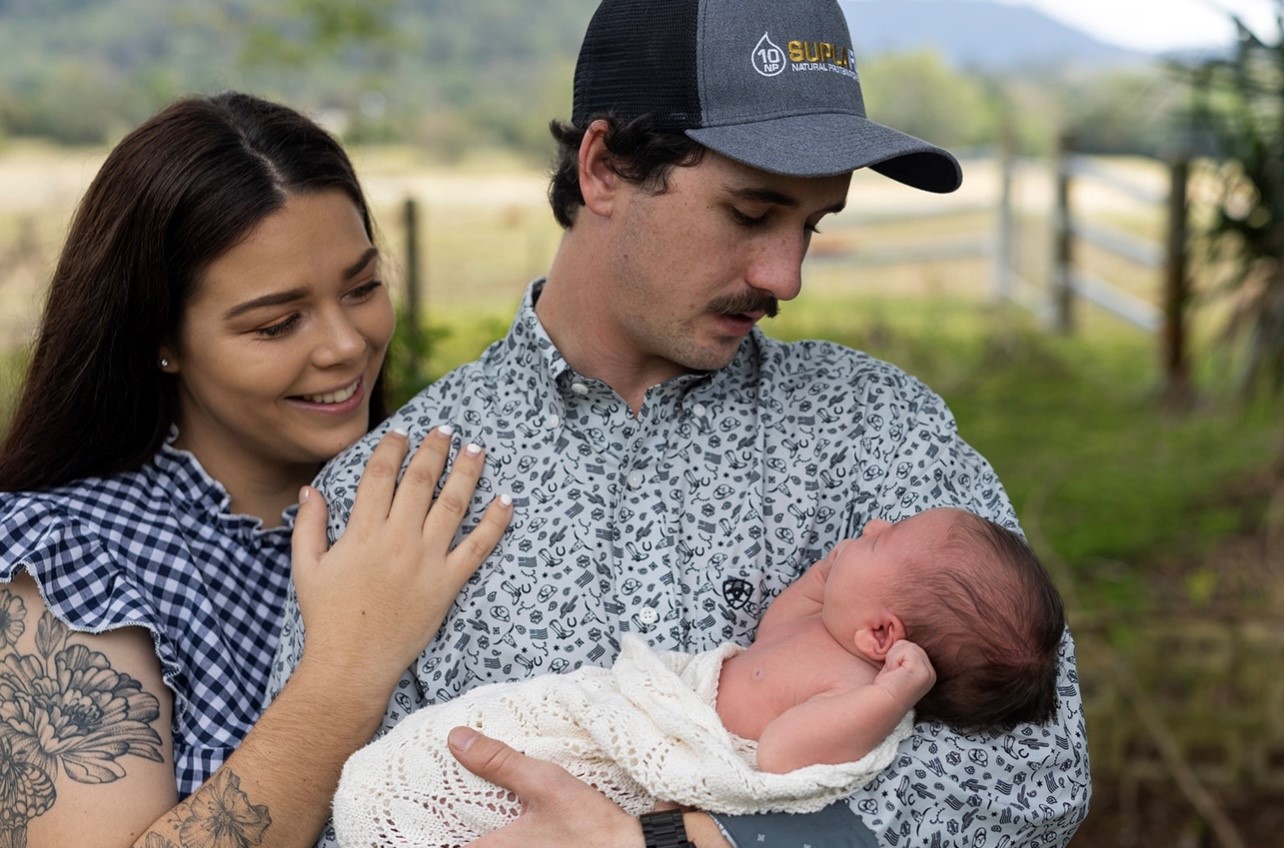
We want this model to be shaped by the people who understand these experiences
There are different ways to be involved. You may choose to:
- Complete a survey – a way to provide feedback in your own time (about 20–30 minutes)
- Take part in an interview – a one-on-one conversation where you can share your experiences (about 1 hour)
- Take part in a group discussion with other parents and carers (about 1 hour)
- Become a member of the Consumer Advisory Group (parents/carers only) – This group will help guide the research team in improving care and support for children and families affected by sepsis
Your experience and knowledge may help
Improve follow-up care for children after sepsis.
Improve support for children and families.
Improve care and support for bereaved families.
Guide future health services and policies.
Improve care for children and families affected by sepsis in the future.
This study is an ethically approved (HREC/2026/QCH2126779) collaboration between two research programs. The Paediatric Post Sepsis Model of Care project is being led by Queensland University of Technology in partnership with Queensland Paediatric Sepsis Program, Children’s Health Queensland, The George Institute for Global Health, Sepsis Australia, Health Translation Queensland, Clinical Excellence Queensland, The University of Queensland, and Queensland Family and Child Commission.
This study is funded by the National Health and Medical Research Council.
For further information or questions, please contact Professor Debbie Long (da.long@qut.edu.au) or Alana English (Alana.English@health.qld.gov.au)