



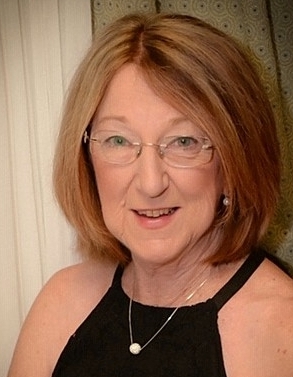
My name is Desley Soden, and I am grateful for the opportunity to share my experience of sepsis, what happened to me, the impact it had on my family, and why surviving sepsis was only the beginning of my journey.
What happened when I developed sepsis?
My sepsis journey began on 22 June 2022.
I had gone to bed the previous evening feeling perfectly well. When I woke the next morning, however, I had a high temperature and severe abdominal pain. I knew something was seriously wrong and called an ambulance at approximately 9.00 am. The ambulance arrived at around 12.30 pm and took me to hospital. My partner followed, but because of the COVID-19 restrictions in place at the time, he was not permitted to enter and had to return home.
At approximately 9.30 that evening, I sent him a text message saying that I was going into surgery for an urgent procedure relating to a kidney stone. Neither of us understood how serious my condition had become.
At about 5.30 the following morning, 23 June, a doctor told me that I was being transferred to the Intensive Care Unit (ICU). The doctor then telephoned my partner and told him that he needed to come to the hospital immediately. Realising that the situation was life-threatening, my partner contacted my daughter, Catherine, so that she could also be there.
When they arrived in the ICU, they found me on a ventilator, in an induced coma and connected to multiple intravenous lines delivering life-supporting medication. The ICU doctor explained that I had developed sepsis and was fighting for my life. For my family, it was almost impossible to comprehend. In less than 24 hours, I had gone from being a healthy and independent woman to being critically ill and dependent on intensive care to keep me alive.
On 24 June, my condition continued to deteriorate. The medical team had not yet identified the particular bacteria responsible for the infection and was awaiting the results of blood cultures. When the results became available, they identified E. coli, allowing the doctors to treat the infection with targeted antibiotics.
By 25 June, my condition had stabilised, although I remained in an induced coma and continued to receive life-supporting medication.
During this time, my partner noticed that the colour of my fingers and toes was changing from blue to black. He repeatedly asked the medical team why this was happening. The condition was eventually described as microvascular peripheral ischemia, which progressed to dry gangrene.
Although the treatment had saved my life, the damage to my hands and feet was now irreversible.
On 7 July, I was transferred from ICU to a hospital ward. I was told that the affected tissue on my fingers and toes might separate naturally, although surgical intervention could still be required.
I was discharged on 27 July while experiencing excruciating pain in my hands and feet. Unfortunately, I left hospital without prescriptions for adequate pain relief and without clearly coordinated follow-up appointments for the medical and surgical care I required. In desperation, I contacted my general practitioner, who arranged prescriptions for the medication I had been receiving in hospital.
Two days later, an occupational therapist visited me at home. She was deeply concerned by the lack of discharge planning and follow-up care. Through her professional contacts, we were able to identify the medical consultant and plastic surgeon responsible for my treatment. This eventually led to an appointment with the plastic surgeon and a date for the necessary amputations.
On 5 September 2022, I underwent surgery in which all my toes and several of my fingers were amputated. I remained in hospital recovering on 19 September.
On 20 October, I returned to hospital for a further three days to have the kidney stone removed and a new stent inserted.
What impact did sepsis have on me and my family?
Sepsis changed every part of my life—and the lives of those closest to me.
For my partner and daughter, the speed with which my condition deteriorated was terrifying. One day I appeared healthy; the next, they were standing beside me in the ICU while doctors told them I might not survive.
They experienced the helplessness of seeing me unconscious, connected to life-support equipment, while being unable to know what the outcome would be. They then watched the colour change in my fingers and toes, knowing that something was seriously wrong but not fully understanding what it would mean.
After I left hospital, my family became not only my carers but also my advocates. They had to help manage my pain, pursue appointments and navigate a complicated medical system at a time when we were all physically and emotionally exhausted.
It remains difficult to comprehend how a high temperature and abdominal pain led, within such a short time, to critical illness and the loss of all my toes and several fingers.
The experience left me physically and psychologically devastated. It also had a profound emotional impact on my family, who had lived through the possibility of losing me and then had to help me adjust to a permanently changed life.
What has recovery and life after sepsis looked like?
Surviving sepsis was not the end of my ordeal. In many ways, it was the beginning of another journey.
Recovery has required me to adapt to significant physical disability, ongoing pain at the amputation sites and the practical difficulties caused by the loss of my toes and fingers. Everyday activities that were once automatic can now require additional time, planning or assistance. Rehabilitation has been lengthy and expensive, and the emotional consequences have been just as challenging as the physical ones. There are times when the memories, frustration and sense of loss become overwhelming.
My recovery has also been complicated by gaps in communication and coordination following my discharge. Referrals to the necessary medical disciplines were not always made promptly, leaving my partner and me to follow up appointments and to seek out the appropriate care ourselves. Administrative delays may appear minor within a large health system, but for a patient recovering from a catastrophic illness, they can delay treatment, prolong pain and add greatly to the emotional burden.
Life after sepsis is therefore not simply about being grateful to have survived. It is about learning to live with the lasting consequences of the illness and receiving the coordinated physical, psychological and rehabilitation support needed to rebuild a meaningful life.
What do I wish I had known about sepsis sooner?
I wish I had understood how quickly sepsis could develop and how rapidly an apparently healthy person could become critically ill.
I wish my family and I knew what questions to ask, what warning signs to recognise and how important it was to raise the possibility of sepsis when my condition worsened so dramatically. I also wish we had understood that leaving the ICUor even leaving hospital did not mean that the crisis was over. Sepsis can leave profound and permanent consequences, and patients and families need clear information about what recovery may involve.
Most importantly, I wish we had been better prepared for the need to advocate persistently for appropriate pain management, specialist referrals, rehabilitation and psychological support.
What message would I like others to take away?
My message is that sepsis can change a life with frightening speed. Please listen to your body and do not hesitate to seek urgent medical assistance when something feels seriously wrong.
Patients and families should never be afraid to ask questions, request clear explanations or ask whether sepsis has been considered. They should also be provided with the information and support needed to understand what comes next. For healthcare professionals and health services, my experience demonstrates that saving a patient’s life is only the first step.
Effective discharge planning, pain management, timely specialist referrals, rehabilitation and psychological support are all essential parts of sepsis care.
Communication and administration are not separate from clinical care. When they fail, patients can experience unnecessary pain, anxiety and delays in treatment.
I survived sepsis, but survival came with a life-changing physical and emotional cost. By sharing my story, I hope to improve awareness, encourage earlier recognition and help ensure that other survivors and their families receive the coordinated care and support they need.
Sepsis did not end when I left the ICU. Its effects continue long after the immediate medical emergency has passed—and that is something every patient, family and healthcare professional needs to understand.